
Quality issues rarely appear overnight. In most cases, they are the result of small gaps in planning, communication, or execution that compound over time. For brands manufacturing across borders, these gaps can lead to missed timelines, unexpected costs, and damage to brand reputation.
This is why proactive quality assurance plays such a critical role in modern manufacturing. Rather than treating quality as a final checkpoint, proactive QA embeds control and visibility throughout the production process.
Why Quality Issues Are Often Discovered Too Late
Many brands still rely heavily on final inspections to assess quality. While final checks are important, they leave very little room for corrective action. When issues are discovered at the end of production, brands are often forced to choose between delaying shipments, absorbing rework costs, or accepting compromised quality.
This reactive approach increases risk and creates unnecessary pressure across teams. It also limits the ability to address root causes, as problems are identified only after production is complete.
What Proactive Quality Assurance Looks Like
Proactive quality assurance shifts the focus from detection to prevention. Instead of asking whether a finished product meets standards, it focuses on whether systems are in place to maintain quality throughout production.
At SourceOne, this approach is delivered through structured Quality Assurance & Testing services that support brands from pre-production through final shipment readiness.
Quality Starts Before Production Begins
Effective quality assurance begins long before the first unit is produced. Clear alignment on specifications, measurements, tolerances, and workmanship standards is essential.
When expectations are not clearly defined or documented, inconsistencies are almost inevitable. Proactive QA ensures that quality standards are established early and communicated clearly to all stakeholders, including factories and production teams.
This early alignment reduces misunderstandings and sets a strong foundation for consistent execution.
Inline and Mid-Production Inspections
One of the most important elements of proactive QA is inspecting products during production rather than waiting until the end.
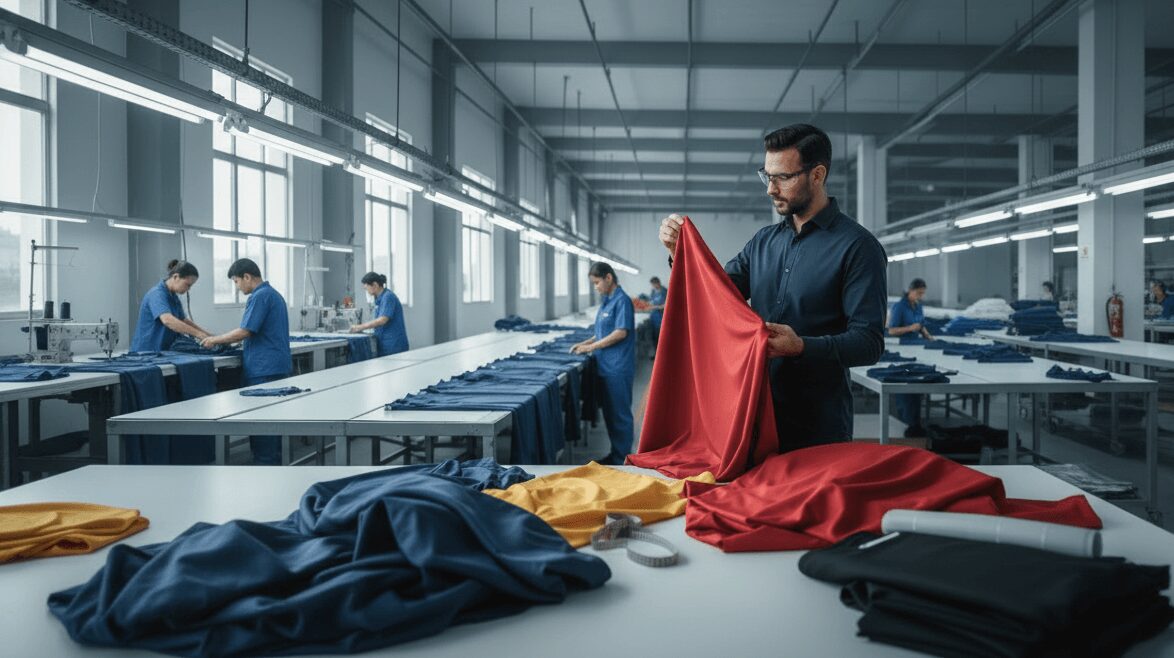
Inline inspections allow quality teams to assess workmanship, measurements, and construction while production is ongoing. Mid-production inspections help verify consistency as volumes increase. These checkpoints make it possible to identify issues early, when corrective action is still practical and cost-effective.
By addressing problems at their source, brands reduce the likelihood of large-scale defects or shipment delays.
Independent and Objective Oversight
For quality assurance to be effective, it must be independent. Objective inspections provide brands with an accurate picture of production quality, free from internal production pressures.
Independent QA teams focus solely on whether products meet agreed standards. Detailed reporting, supported by clear documentation and images, allows brands to make informed decisions and respond quickly when adjustments are needed.
Quality as Part of the End-to-End Process
Quality assurance is most effective when it is integrated into a broader production framework. When QA operates in isolation, insights may arrive too late to influence outcomes.
Within an End-to-End Merchandising & Production model, quality is embedded into sourcing decisions, sampling, and production management. This ensures that quality expectations influence every stage of the process rather than being enforced only at the end.
Supporting Better Sourcing and Development Decisions
Quality outcomes are closely tied to sourcing and development choices. Factories that lack the right technical capability or experience introduce risk, regardless of how strong final inspections may be.
Proactive QA works hand-in-hand with Design & Sourcing support, helping brands select manufacturing partners that align with product requirements, quality standards, and scale expectations.
This alignment reduces the likelihood of recurring quality issues and strengthens long-term supplier performance.
Long-Term Benefits of Proactive QA
Brands that invest in proactive quality assurance experience fewer disruptions, more predictable timelines, and stronger supplier accountability. Over time, quality standards become embedded into production workflows rather than enforced reactively.
This not only protects individual orders but also builds more resilient supply chains and stronger brand trust.
Quality assurance should not be viewed as a cost to minimise, but as a strategic investment in consistency, reliability, and brand protection.
By adopting a proactive approach to quality assurance, brands move from firefighting to forward planning. The result is greater control, reduced risk, and confidence at every stage of production.